ERP & Operations11 min readERP Team
ERP Implementation Roadmap for SMEs in India
A practical ERP rollout blueprint for Indian SMEs covering modules, migration, training, and go‑live governance so teams can reduce rollout risk.
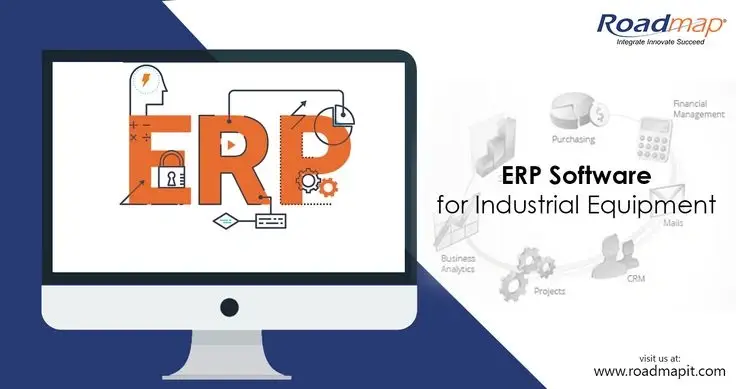
ERP Implementation for SMEs: How to Roll Out Without Disrupting Operations
ERP projects fail when teams treat implementation as a software task instead of an operations change program. This roadmap keeps rollout practical, measurable, and low risk.
Phase 1 (Days 1-15): Process Mapping and Scope Lock
- Map current workflows: sales, inventory, billing, purchase, reporting
- Identify process bottlenecks and duplicate manual steps
- Freeze MVP module scope for phase one
- Define owners for operations, finance, and technology
Phase 2 (Days 16-35): Data and Architecture
- Clean master data (customers, products, vendors)
- Define user roles and approval hierarchy
- Configure integrations (payment, accounting, CRM, email)
- Create migration and rollback plan
Phase 3 (Days 36-60): Build + Pilot
- Build high-priority modules first:
- quotation and invoicing
- inventory movement
- role-based dashboards
- Run pilot with one business unit
- Track turnaround time, errors, and adoption
Phase 4 (Days 61-75): Training + SOPs
- Train team leads before end users
- Publish role-wise SOPs and checklists
- Define escalation and support workflow
Phase 5 (Days 76-90): Go-Live + Stabilization
- Launch with daily health checks
- Monitor transaction success, response time, and exceptions
- Keep a 2-week optimization sprint after go-live
ERP Module Priority for SMEs
Start with modules that reduce leakage and rework:
- Sales and quotation workflows
- Billing and payment reconciliation
- Inventory and reorder visibility
- Management reporting
Leave advanced automation and secondary workflows for phase two.
KPIs to Track in First 60 Days Post Go-Live
- Quote-to-order cycle time
- Billing turnaround time
- Inventory mismatch rate
- Manual spreadsheet dependency
- Team adoption rate by department
Common Mistakes to Avoid
- Migrating dirty legacy data
- Launching all modules at once
- Skipping role-based training
- No ownership for post-launch optimization
Need implementation support? Explore our ERP and software delivery services, see industry outcomes, or talk to our team.
Related articles
Keep reading with implementation-focused guides connected to this topic.